When I was thirteen, I started getting headaches that wouldn't stop. Dizziness so bad I couldn't keep my head up. I threw up constantly, gained weight, couldn't regulate my mood. My body was already changing fast at that age, and I was enough of a hypochondriac to keep asking myself: is this real, or am I making it up?
The guesses piled up. BPPV. Migraines. Gut issues. Psychosomatic. I spent months bouncing from specialist to specialist. Neurologists, eye doctors, therapists. Every visit was another round of tests, another "maybe this will work," another pill or procedure that gave me a week of hope before collapsing into disappointment.
That cycle wears you down in ways that go beyond physical. You get your hopes up. You're told again and again it's nothing, or worse, that it's all in your head.
Which, ironically enough, I suppose it was.
The Mass
Nearly a year after my symptoms started, an MRI revealed a mass in my brain. I still remember staring at the word on the report. Mass.
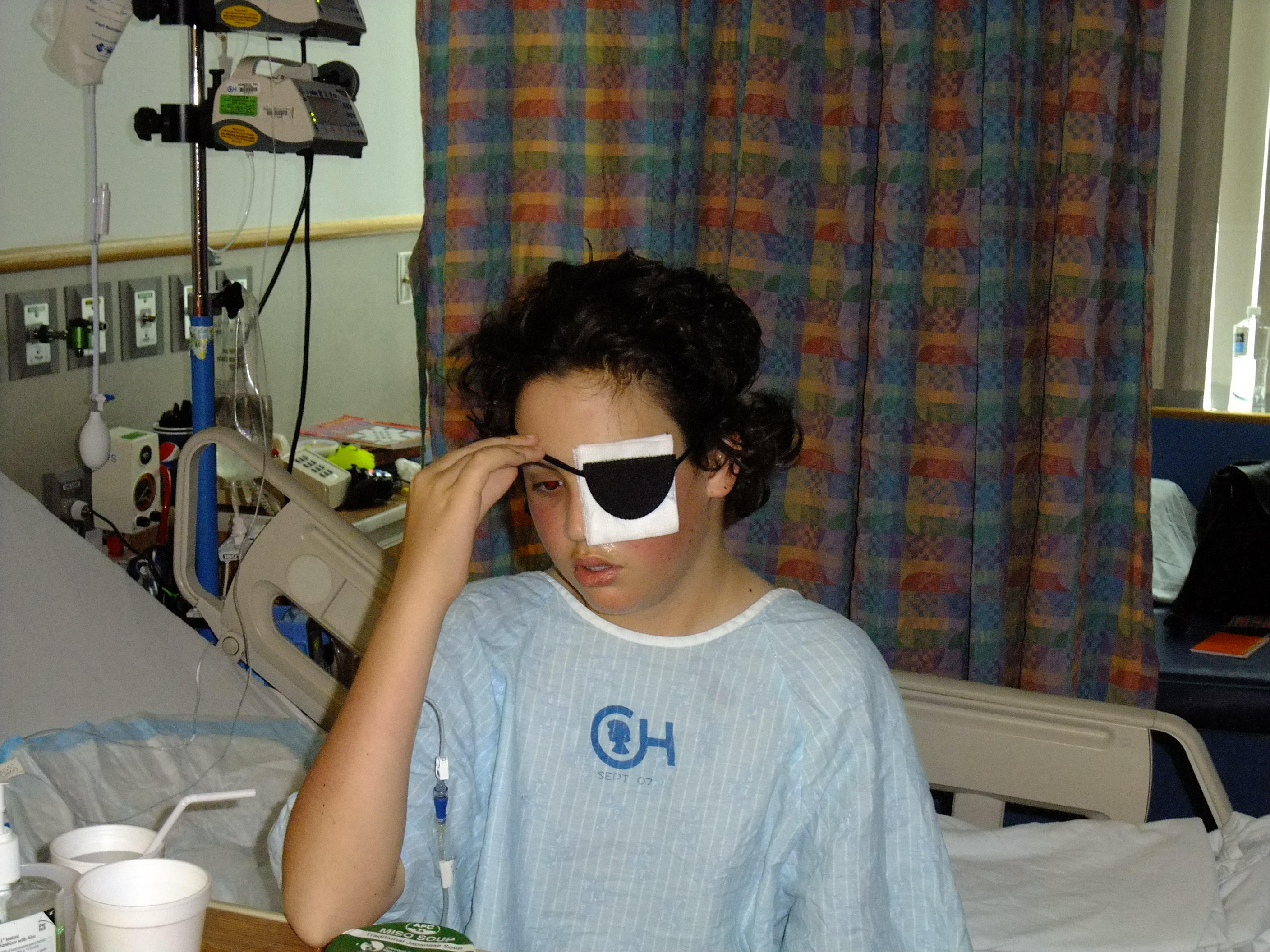
Even once we knew what was causing my symptoms, the uncertainty didn't end. It just changed shape. "Maybe we place a shunt to drain the cerebrospinal fluid." "Maybe we try steroids." "Maybe we just resect it." Every conversation started with maybe. Everything sounded painful and scary. And everything came with a risk.
And here's the part I haven't said yet: two years earlier, my mom died of a glioblastoma after a grueling four-year battle. So when my dad told me they found a mass on the MRI, I thought I already knew the ending. I spent a lot of nights wondering if I could survive what she went through. The truth is, I knew I couldn't. And when you're fourteen and staring down something that feels like a death sentence, that doesn't leave a lot of options. I won't lie. There were many nights I considered taking the easy way out.
What Saved Me
What saved me was my dad.
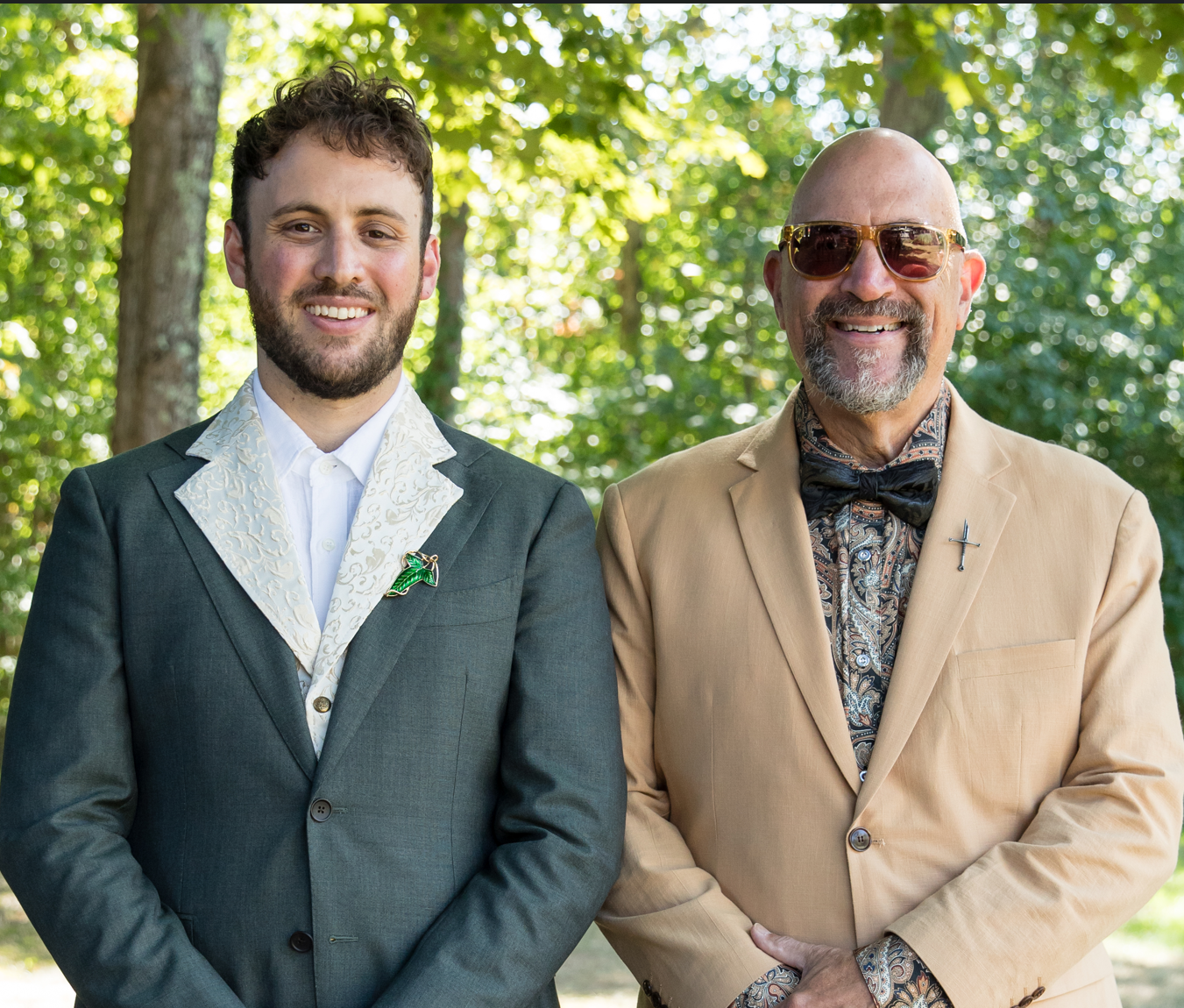
He's a doctor. An incredible one. Thoughtful, caring, and unfortunately for him, deeply experienced in navigating brain tumor treatment. He could sit me down when I was spiraling. He was the only one who could say: "No. Odds are, it's not as bad as you think." "Breathe." "Wait for the biopsy." "We'll get chicken nuggets at the McDonald's in CHOP."
He saved me because he gave me something I didn't think I had anymore: control. When you don't understand what's happening to you, your mind fills in the gaps. And it is never kind. He could collapse all of that. Orient me. Put names to things. Tell me what the next month actually looked like. For the first time I could see a path forward. Decisions weren't being made in a black box. I could understand them. I could discuss them with my dad and the team at Childrens Hospital of Philadelphia (CHOP), and they would listen.
I've never told my dad what he saved me from. I don't think I could look him in the eye and say it. I'm sure he knows how dark those times were. They were probably harder on him. He used to sleep on a twin mattress on the floor of my room just so he could be there if I woke up scared.
Most People Don't Have That
They carry everything themselves. Every symptom, every prior appointment, every detail they're terrified to forget. It burns you out, wears you down. The numbers paint a grim picture but one we need to acknowledge: Three in five Americans say the healthcare system is a source of stress just to navigate. Seven in ten say it doesn't meet their needs. Twelve million adults in outpatient care are misdiagnosed and nearly 800,000 are permanently disabled or die from diagnostic errors. And those are just the ones who made it in the door. Tens of millions more delay or skip care altogether because the process feels impossible.
I couldn't let it go. I had no background in any of this, but I obsessively consumed everything I could get my hands on. Cold-emailed professors and company leaders. Built some of the first language models focused on how patients actually talk about their health. Worked with human genetics and EHR datasets alongside Mayo Clinic and top global pharma companies. Eventually led AI at one of the most respected life science venture firms in the country. And the longer I spent inside the industry, the clearer it became: nobody was building for the patient. The tools go to payers, to pharma, to health systems. Patients are talked about like this esoteric species, some theoretical beneficiary who will get something useful at some point, but that point never seems to come.
That's why we're building Actually Health.
What We're Here For
Think about everything you've been managing. The thing that's been off for months and doesn't have a name yet. The three symptoms nobody is connecting. The appointment you keep replaying in your head because you're not sure if you explained everything correctly. That's who we're here for. You tell us what's going on. We listen, we explain, we figure it out together. We don't hand you a portal and a phone number. We get you oriented and on get you the most effective and personalized care as efficiently as possible. We prescribe and refer when you need it. We remember what you've told us. And everything we learn compounds — the next person who walks in uncertain can get on the best path faster.
We don't take insurance. We never want to be accountable to anyone except you. You can still use your coverage for labs and medications. The care itself stays between us.
As for the name: it started out tongue-in-cheek. There are hundreds "______(insert word) Health" companies out there, and most of them don't do a damn thing for patients. But the more we built, the more it felt like a statement. We're building a system that actually works. That actually does what it's supposed to. If you're sick, that shouldn't be too much to ask.
So here is what I can promise you, as someone who has been on the other side of this: you will get answers. Real ones. The kind my dad gave me when I was fourteen and terrified. The kind that makes the fear survivable.